A Single Calf, a 20-Kilometer Quarantine Zone, and a Very Large Insurance Problem
A three-week-old calf in Zavala County, Texas, confirmed positive for New World screwworm on a Wednesday in early June 2026 - the first such detection in the United States in nearly a decade. The USDA responded immediately with quarantines, movement controls, and surveillance across a 20-kilometer (12-mile) radius around the ranch. No other infested animals were found on the property, and the agency found no evidence of recent livestock movement onto or off the premises. For now, the outbreak appears contained. But “appears contained” has never been a phrase that sits well with agricultural underwriters.
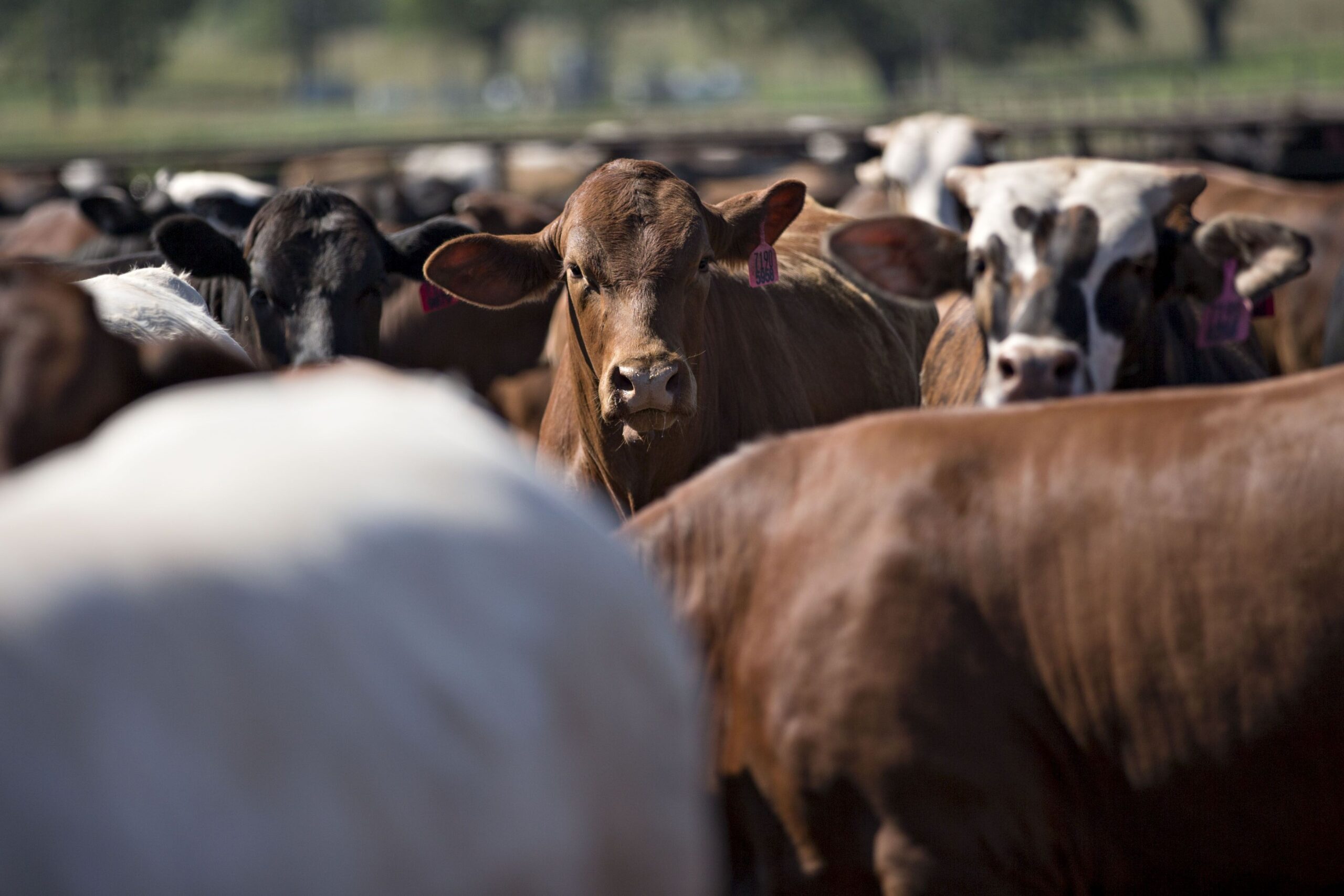
The screwworm’s arrival lands on an industry already stretched thin. The US domestic cattle herd is at a 75-year low. Texas alone held 12.1 million head as of January 2026 - roughly 14% of the national total - and Zavala County, though not part of Texas’s primary cattle-producing corridors, still supports an estimated 37,000 head of livestock. A wider outbreak would not need to reach the major ranching counties to start compressing supply. It just needs to move.
How the Parasite Works, and Why That Matters to Underwriters
The New World screwworm fly deposits eggs in the open wounds of warm-blooded animals. Once the larvae hatch, they burrow into living tissue, causing progressive damage that can kill an animal if left untreated. The disease itself is treatable, and the USDA has confirmed it poses no threat to food safety. That second point matters for consumer reassurance. The first point - treatability - matters far less to a livestock operation than it might seem, because treatment requires detection, detection requires surveillance, and surveillance across thousands of acres of Texas ranch land is neither fast nor cheap.
Agriculture Secretary Brooke Rollins stated on a call with reporters that the fly’s spread is driven not by the insect’s own range, but by human movement of animals. “The only way this spreads is through animal movement,” Rollins said. “It’s not because the fly flies tens of miles or hundreds of miles on its own.” That framing is actually more alarming from a risk management standpoint, not less. It means that every livestock transport decision - every auction, every slaughter shipment, every border crossing - becomes a potential vector. Movement restrictions intended to contain the outbreak create their own category of financial loss.
The Coverage Gap Nobody Talks About Until Prices Move
Livestock mortality insurance covers death from disease under most standard policies, but the conditions attached to those coverages are where ranchers frequently discover they are underprotected. Many policies require prompt reporting of suspected illness, veterinary certification of cause of death, and documentation of treatment attempts. In an outbreak scenario involving a newly re-emerged parasite - one not seen domestically in nearly ten years - those documentation chains can break down quickly.
Ben DiConstanzo, a senior analyst at Walsh Trading Inc., compared the screwworm fly to a cockroach: “If there’s one, there’s a heck of a lot more.” That assessment carries direct underwriting implications. A single confirmed case is a manageable claims event. A regional infestation requiring extended quarantine zones, mandatory movement controls, and potentially the closure of processing capacity is a systemic exposure - the kind that stress-tests both individual farm policies and the broader agricultural insurance market simultaneously.
The industry’s prior experience with screwworm is not encouraging. The last major US outbreak, in 1976, infected nearly 1.5 million head of cattle in Texas, costing the state’s economy as much as $375 million - a figure the USDA estimates would translate to approximately $1.8 billion in today’s dollars. That figure does not include downstream losses from processing disruption, lost export contracts, or input cost increases. It also predates the complexity of today’s supply chains, in which a single processing plant closure by a company like Tyson Foods or JBS cascades into retailer shortages within days.
The Meat Institute, which represents meatpackers, has already called on the USDA to consider allowing low-risk “terminal movements” - animals headed directly to slaughter from non-infested zones, or raised entirely indoors - to continue processing. Whether those exemptions materialize will shape how badly the supply squeeze tightens in the coming weeks. For ranchers holding animals they cannot legally move, the financial exposure accumulates daily regardless of whether those animals ever contract the parasite.
Export Risk and the Insurance Implications of Market Access
Strategy firm Capstone DC flagged in a written note that additional screwworm cases are likely to emerge, and that confirmed US detections could prompt foreign governments to restrict or ban American beef imports. The US beef industry only recently recovered access to the Chinese market, which had suspended licenses for most US beef processing plants in 2025 during a trade dispute. A fresh export ban triggered by a screwworm outbreak would reverse those gains at the worst possible moment.
For meatpackers, export disruption compounds losses already absorbed during an extended period of high cattle prices. Both Tyson and JBS have reported losses in their beef divisions and have closed plants in response to margin pressure. Tyson shares closed down moderately on the day the Texas detection became public; JBS’s US-listed shares gained. Markets, as usual, are processing the same facts and arriving at different conclusions.
What Ranchers Should Be Asking Their Agents Right Now
Livestock and farm insurance policies vary considerably in how they treat government-ordered movement restrictions and quarantine losses. Standard mortality coverage typically does not compensate for financial losses caused by the inability to move healthy animals - only for animals that actually die. Business interruption provisions, where they exist in agricultural policies, often carry waiting periods, sub-limits, or exclusions tied to government action.
Ranchers in South Texas - and, increasingly, ranchers anywhere the screwworm has been spreading northward through Mexico over the past year - should review three things specifically: whether their mortality coverage includes disease-related death explicitly; whether any business interruption or extra expense coverage applies to quarantine-related losses; and whether their policy carries exclusions tied to named government quarantine orders. That last point is more common than most policyholders realize, and it tends to surface at the worst possible time.
The USDA’s movement controls are currently limited to a 20-kilometer zone in Zavala County. If additional cases are confirmed beyond that perimeter, the quarantine footprint will expand, and the number of operations affected by movement restrictions will grow accordingly. At that point, the question stops being whether a rancher’s coverage was adequate and starts being whether a rancher’s coverage even applies.
Texas held 12.1 million cattle as of January 2026. The 1976 outbreak reached 1.5 million of them.
This article is for general informational purposes only and does not constitute personalized agricultural, financial, legal, or insurance advice. Coverage terms, government quarantine policies, and livestock disease classifications change frequently. Ranchers and livestock operators should consult their insurance agent, a licensed agricultural risk specialist, and official USDA resources for guidance specific to their operation and location.